 Call Us : 07971459302Call Us : 07971459302

 Send Inquiry
LED Bulb Assembly Machine
Price 1200000.0 INR/ Number
MOQ : 1 Number
LED Bulb Assembly Machine Specification
- Product Type
- Assembly Machine
- General Use
- LED Bulb Assembly
- Material
- Aluminum Alloy
- Type
- Other
- Capacity
- 3200 Pcs/hr
- Weight (kg)
- 700 Kilograms (kg)
- Computerized
- Yes
- Automatic
- No
- Touch Screen
- Yes
- Control System
- PLC Control
- Surface Treatment
- Anodize
- Drawing
- 3D
- Dimension (L*W*H)
- Millimeter (mm)
- Color
- Blue & White
- Warranty
- 1 Year
LED Bulb Assembly Machine Trade Information
- Minimum Order Quantity
- 1 Number
- Payment Terms
- Cash Advance (CA)
- Supply Ability
- 100 Per Month
- Delivery Time
- 7 Days
- Sample Available
- No
- Main Export Market(s)
- Asia
- Main Domestic Market
- All India
LED Bulb Assembly Machine About
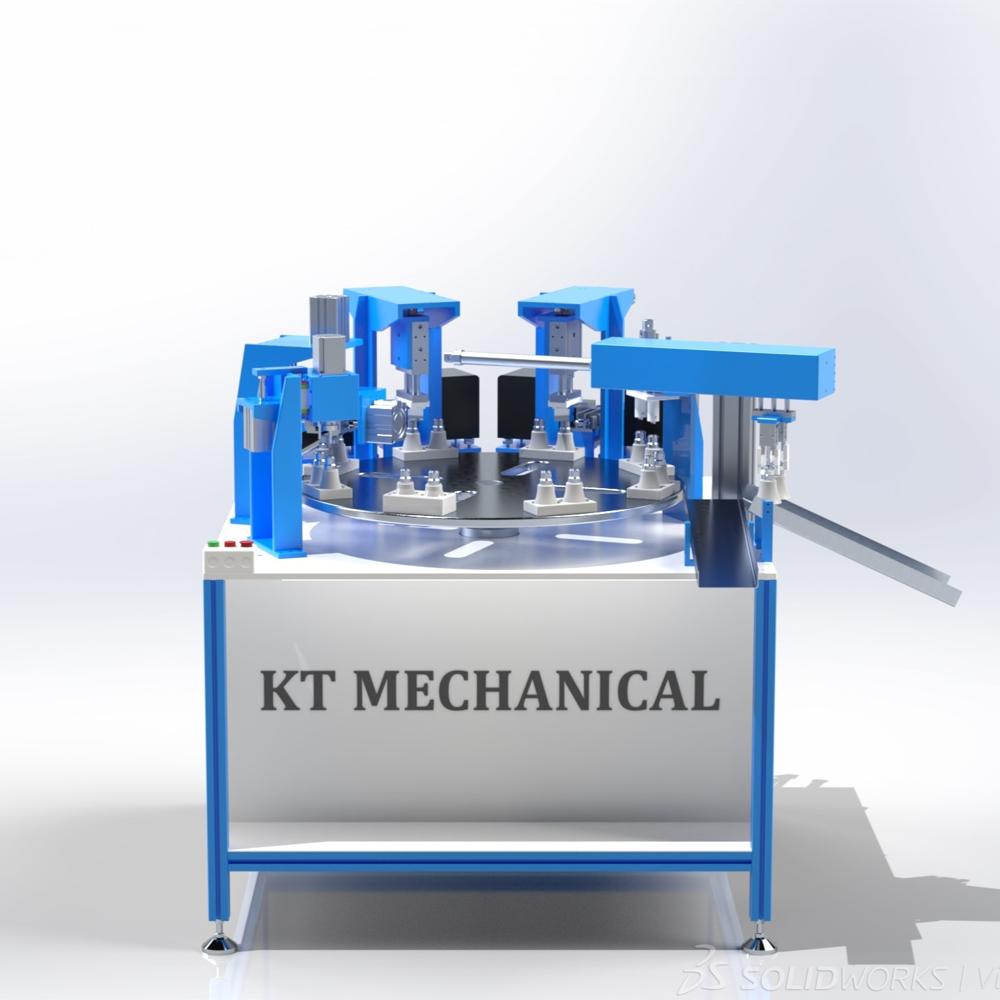
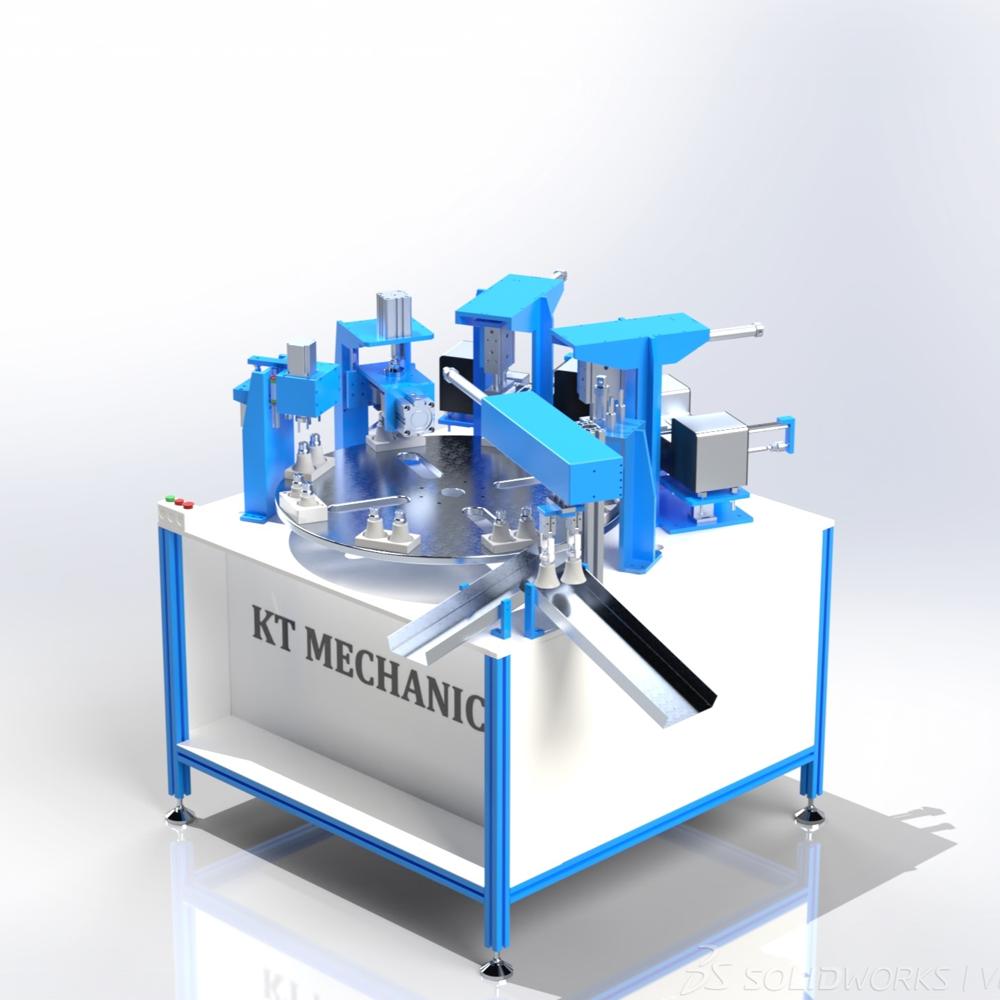
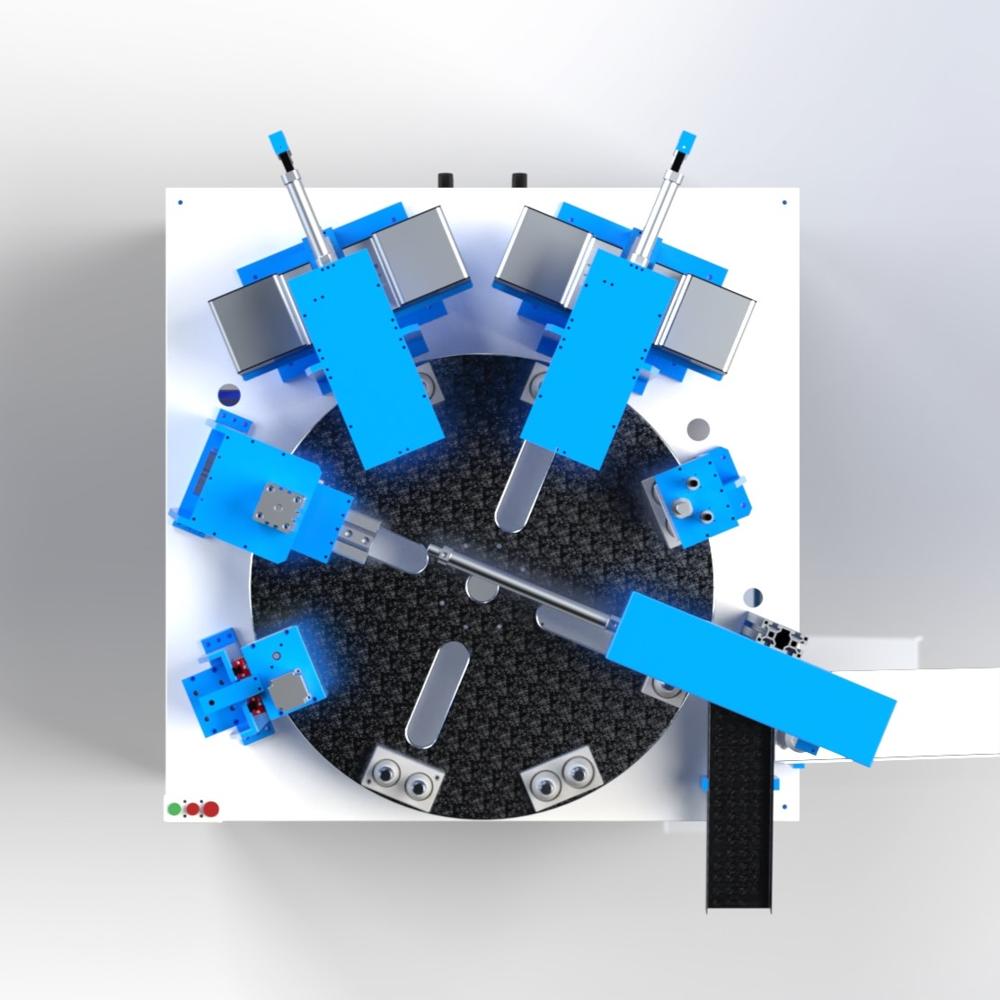
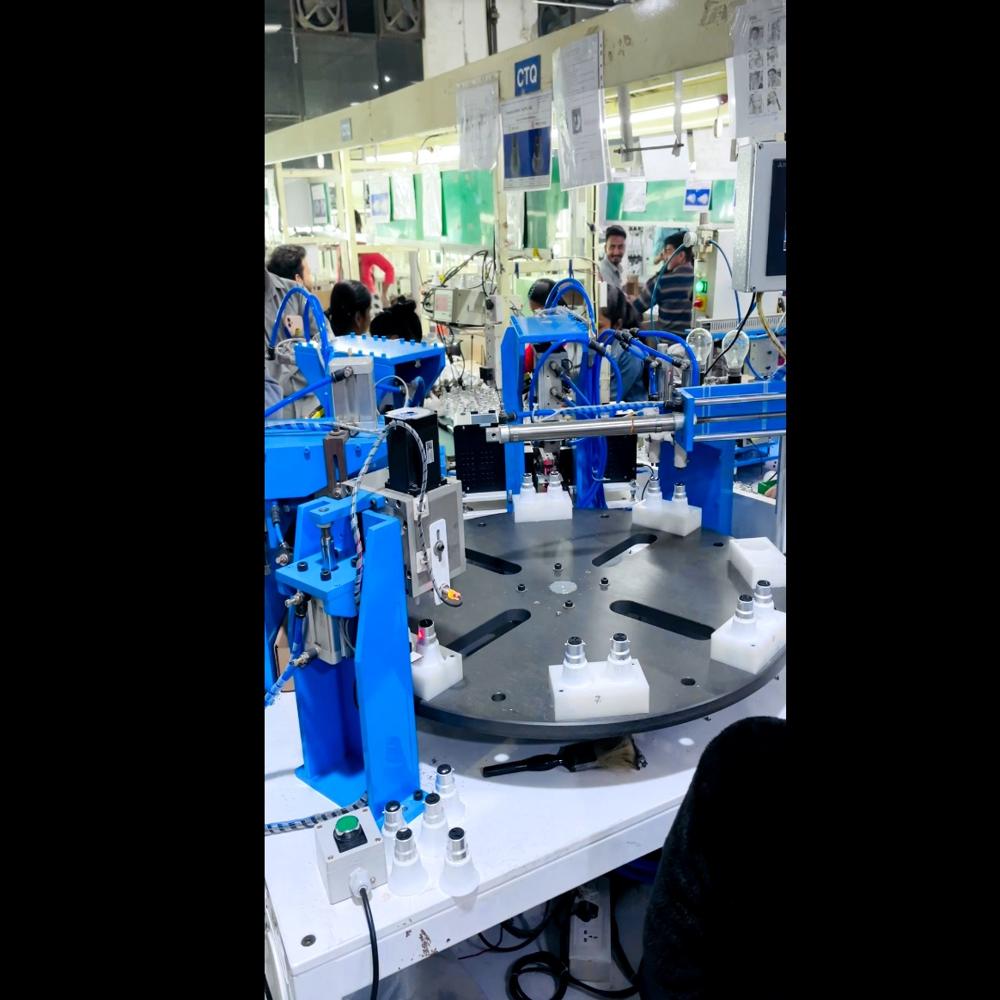
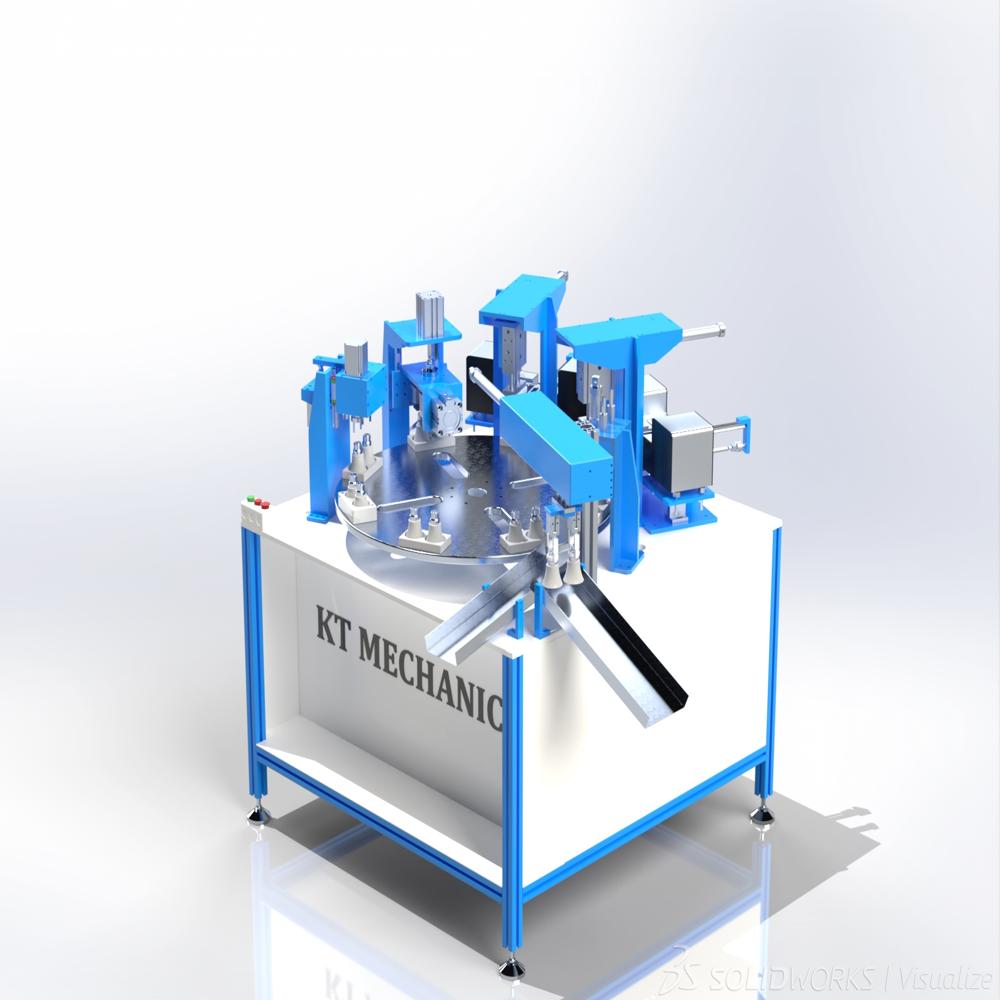
We offer a high-precision Rotary LED Bulb Assembly & Testing Machine designed for the fast and consistent assembly of LED bulb housings with B22 caps. The machine features manual loading and automated multi-station operation on a cam-based rotary indexing platform, ensuring efficient assembly and real-time quality testing of two bulbs per cycle.
Key Features:-
Cam Indexer-Based Rotary Table
-
Dual-Part Fixture for Higher Throughput
-
Automatic B22 Cap Alignment via Pin Guidance
-
Wire Cutting & Bending System
-
Eyelet Insertion Units for Both Bulbs
-
Integrated Power Meter Testing for Both Bulbs
-
Automatic OK/NG Ejection via Separate Chutes
-
Compact Design with PLC + HMI Control
-
Low Maintenance & Operator-Friendly
-
Manual Loading: Operator loads two LED housings (with B22 caps) into the fixture.
-
Cap Orientation: The machine aligns the cap using pin guidance for accurate positioning.
-
Wire Cutting & Bending: Cuts and bends wires coming from the B22 cap.
-
Eyelet Fixing Unit 1: Inserts eyelet into the first housing's B22 cap.
-
Eyelet Fixing Unit 2: Inserts eyelet into the second housing in the same fixture.
-
Testing Station: Checks both bulbs for electrical parameters using power meters. Sends OK/NG signal to PLC.
-
Auto Ejection: OK bulbs move to conveyor via OK chute, NG bulbs to bin via separate chute.
This machine is ideal for LED bulb manufacturers seeking to automate their production line, improve quality control, and reduce manual workload.
Customization Available
Made in India
Backed by After-Sales Support
Advanced Control System
The machine features a cutting-edge PLC control system, ensuring accurate and reliable operation. With computerized controls and an intuitive touch screen interface, users can easily monitor and adjust the assembly process. This advanced system enhances productivity and minimizes errors during production.
High Capacity & Durability
Built from premium anodized aluminum alloy, this assembly machine delivers exceptional durability and stability. Capable of handling up to 3,200 LED bulbs per hour, it suits large-scale manufacturing requirements. The robust 700 kg construction guarantees stability and long-lasting performance, even during prolonged use.
FAQ's of LED Bulb Assembly Machine:
Q: How does the PLC control system benefit LED bulb assembly?
A: The PLC (Programmable Logic Controller) control system streamlines the LED bulb assembly process by automating key functions and ensuring accurate, repeatable operations. This minimizes human errors, improves consistency, and enables precise parameter adjustments through the touch screen.Q: What is the general usage of this LED Bulb Assembly Machine?
A: This machine is specifically designed for assembling LED bulbs in a production setting. It automates assembly tasks, improving speed and consistency while reducing manual labor. It's ideal for manufacturers looking to scale up their output efficiently.Q: When is it recommended to perform maintenance on the assembly machine?
A: Regular maintenance is recommended after every 500 operational hours or as advised in the user manual. Routine checks help sustain optimal performance and extend the lifespan of the machine. More frequent maintenance may be necessary in intensive production environments.Q: Where can this LED Bulb Assembly Machine be installed?
A: The machine is suitable for installation in industrial manufacturing units, assembly plants, or dedicated factory spaces focused on LED bulb production. Due to its substantial weight (700 kg), a stable, level floor is required for proper installation.Q: What is the process for operating this machine?
A: To operate, load the materials as specified, set up the assembly parameters using the touch screen interface, and initiate the process via the PLC control system. The machine will then guide the components through sequential assembly steps, delivering finished LED bulbs efficiently.Q: How does the anodized surface treatment enhance the machine's lifespan?
A: Anodizing the aluminum alloy components protects against corrosion, wear, and mechanical damage. This treatment increases surface hardness, making the machine more durable and resistant to harsh industrial conditions.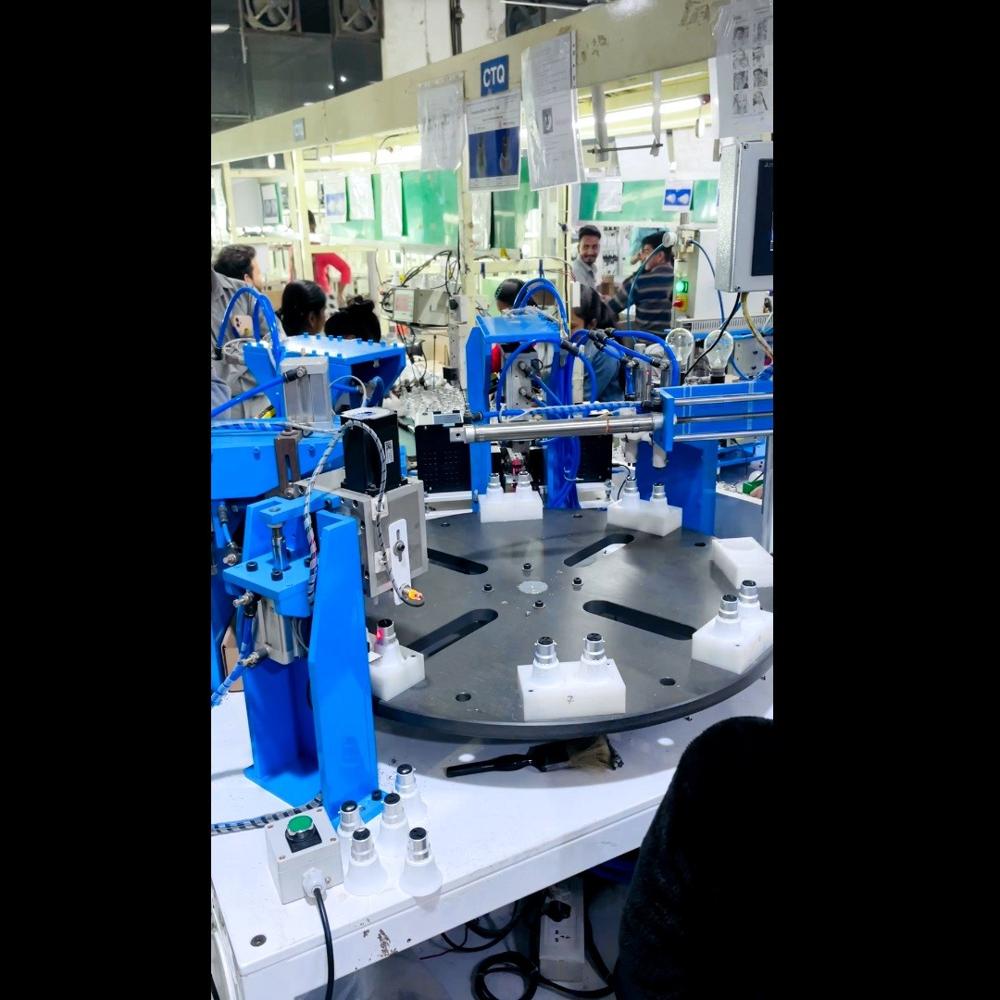
Tell us about your requirement

Price:
Quantity
Select Unit
- 50
- 100
- 200
- 250
- 500
- 1000+
Additional detail
Mobile number
Email

More Products in LED Bulb Assembly Machine Category
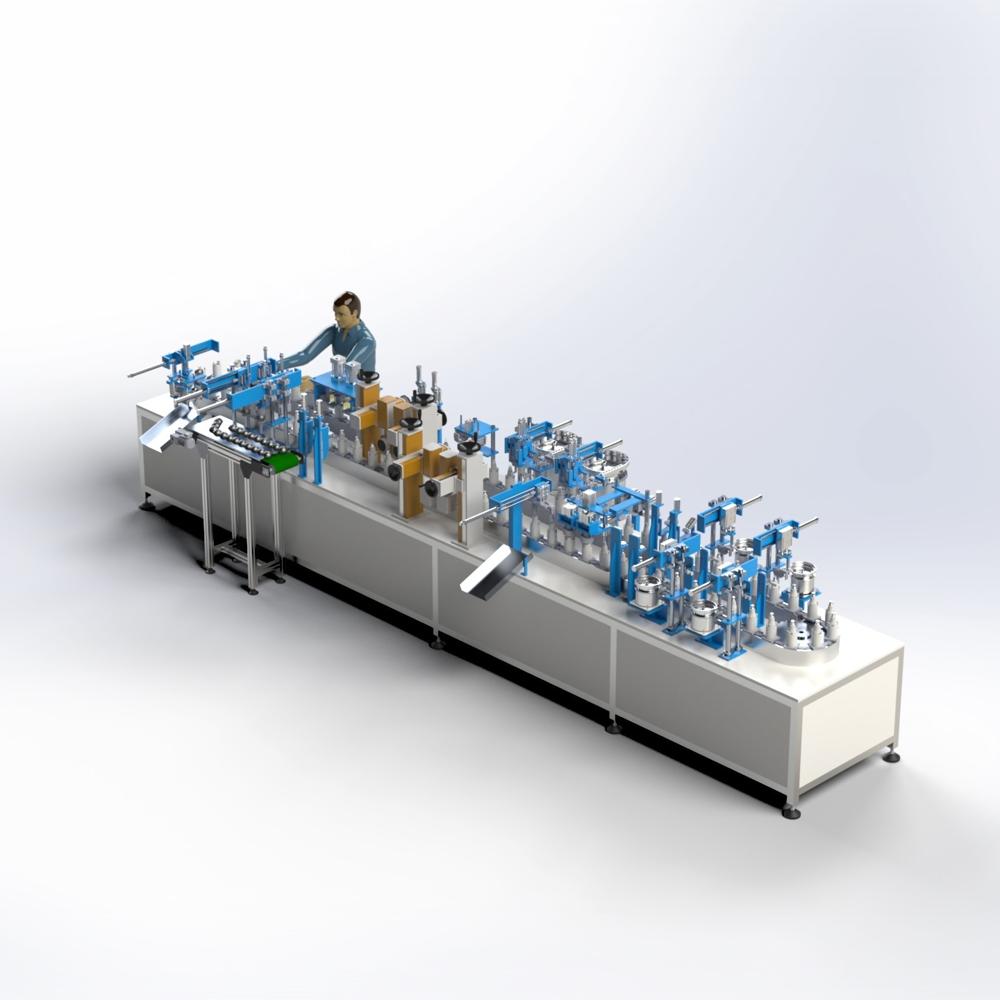
Automatic LED Bulb Assembly Line
Price 3500000.0 INR / Piece
Minimum Order Quantity : 1 Piece
Feature : Other, Energy Efficient, High Precision, Low Maintenance
Touch Screen : Yes
Automatic : Other, Fully Automatic
Weight (kg) : 1200 kg
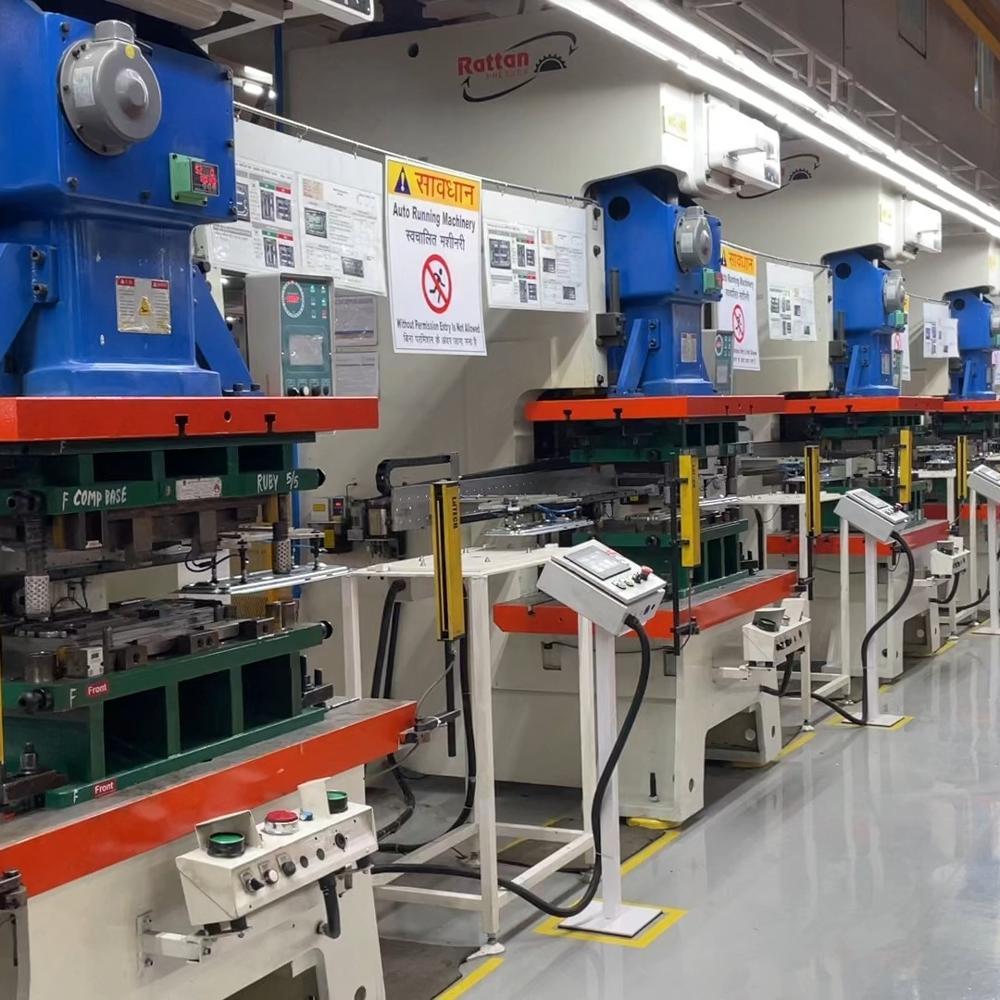
Pick and Place for Power Press
Price 800000.0 INR / Unit
Minimum Order Quantity : 1 Number
Feature : High Efficiency, Simple Control, Stable Operation, High Performance, ECO Friendly, Low Noise
Touch Screen : Yes
Automatic : Yes
Weight (kg) : 50 Kilograms (kg)

Address
M/S K.T.MECHANICAL
GST : 09AWRPS1609L1ZT
GST : 09AWRPS1609L1ZT
- Block No. C-63, Sector-63, Noida - 201301, Uttar Pradesh, India
- Phone :07971459302
- Send Inquiry
 Send Inquiry
 Send Inquiry
 Send SMS
 |
M/S K.T.MECHANICAL
All Rights Reserved.(Terms of Use) Developed and Managed by Infocom Network Private Limited. |
